
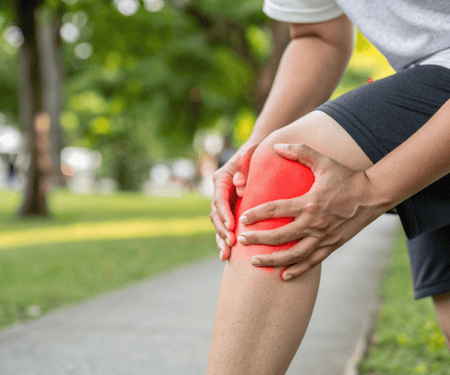
Knee Pain Treatment in Ambernath
Knee pain can affect everyday activities such as walking, climbing stairs, standing for long periods, exercising, or getting up from a chair. It may develop due to joint changes, muscle weakness, repetitive strain, poor movement patterns, sports-related stress, or an injury.
If you are looking for Knee Pain Treatment in Ambernath, Dr. Hitesh Kamble provides assessment and conservative care focused on understanding the possible cause of your symptoms and improving mobility and function. Depending on the condition, the management approach may include therapeutic exercises, movement correction, manual techniques, lifestyle guidance, and other appropriate non-surgical options.
For patients experiencing other musculoskeletal concerns, you can also learn more about Chiropractic Care in Ambernath
Knee Pain Treatment in Ambernath Knee Pain Treatment in Ambernath Knee Pain Treatment in Ambernath Knee Pain Treatment in Ambernath Knee Pain Treatment in Ambernath Knee Pain Treatment in Ambernath Knee Pain Treatment in Ambernath Knee Pain Treatment in Ambernath Knee Pain Treatment in Ambernath
Understanding Knee Pain
The knee is a weight-bearing joint made up of bones, cartilage, ligaments, tendons, and surrounding muscles. These structures work together to provide stability and allow movements such as walking, bending, running, and climbing stairs.
When one or more of these structures are irritated, injured, overloaded, or not functioning effectively, a person may experience pain, stiffness, swelling, weakness, or reduced movement.
Because different conditions can produce similar symptoms, identifying the possible cause is an important part of planning appropriate knee pain treatment.
Knee Pain Treatment in Ambernath Knee Pain Treatment in Ambernath Knee Pain Treatment in Ambernath Knee Pain Treatment in Ambernath
Common Causes of Knee Pain
Knee pain does not always have a single cause. A clinical assessment can help determine which factors may be contributing to the symptoms.
Osteoarthritis
Knee osteoarthritis involves changes within the knee joint that become more common with age. People may notice stiffness, discomfort during movement, reduced flexibility, or difficulty with stairs and prolonged walking.
Muscle Weakness
Weakness in the quadriceps, hamstrings, hips, or surrounding muscles can affect knee support and movement control. Appropriate strengthening may therefore form part of a rehabilitation program.
Overuse and Repetitive Stress
Repeated running, jumping, squatting, prolonged standing, or sudden increases in physical activity may place additional stress on the knee.
Sports-Related Injuries
Twisting movements, sudden changes in direction, falls, or direct impact during sports can affect knee ligaments, muscles, tendons, or cartilage.
Patellofemoral Problems
Discomfort around or behind the kneecap may become noticeable while climbing stairs, squatting, running, or sitting with bent knees for extended periods.
Previous Knee Injury
A previous injury can sometimes contribute to recurring discomfort, weakness, reduced mobility, or altered movement patterns.
Common Symptoms of Knee Problems
Symptoms can differ according to the underlying condition. Some people mainly experience discomfort during activity, while others may notice stiffness or limitations in everyday movement.
Common symptoms may include:
- Knee pain while walking
- Difficulty climbing or coming down stairs
- Stiffness after sitting or resting
- Difficulty bending or straightening the knee
- Discomfort during squatting
- Swelling around the knee
- Reduced flexibility or mobility
- Pain after exercise or physical activity
- Clicking or catching sensations
- Feeling of weakness or instability
Persistent symptoms should be evaluated rather than assuming that every case of knee pain is caused by arthritis.
Knee Pain Treatment in Ambernath – Our Approach
Treatment should depend on the underlying cause, severity of symptoms, medical history, and functional limitations of the individual.
Dr. Hitesh Kamble follows an assessment-based approach to Knee Pain Treatment in Ambernath. The aim is to understand factors contributing to the symptoms and develop an appropriate conservative management plan where suitable.
Depending on the assessment, treatment may involve the following:
1. Movement and Functional Assessment
The first step is understanding how the knee behaves during everyday movements. Knee mobility, muscle strength, balance, walking pattern, joint function, and activities that aggravate symptoms may be assessed.
This helps identify possible contributing factors rather than focusing only on the location of discomfort.
2. Therapeutic Exercises
Therapeutic exercises may be used to improve strength, flexibility, mobility, balance, and movement control.
Depending on the condition, exercises may focus on the quadriceps, hamstrings, hips, gluteal muscles, and other structures that support the knee.
Exercise intensity and progression should be adapted according to the patient’s condition and tolerance.
3. Manual Therapy
Where clinically appropriate, manual techniques may be incorporated into the overall management plan to support mobility and address relevant movement restrictions.
Manual therapy is generally used alongside exercise and rehabilitation rather than as the only approach to knee problems.
4. Mobility and Flexibility Training
Reduced flexibility or restricted movement can sometimes affect everyday activities.
A suitable program may include mobility exercises designed to gradually improve comfortable movement according to the individual’s condition.
5. Strengthening and Rehabilitation
Improving the strength of muscles surrounding the knee can help support joint function.
Rehabilitation may progress gradually from basic strengthening exercises to more functional movements based on the patient’s needs and activity level.
6. Posture and Movement Guidance
How a person stands, walks, exercises, lifts, or performs repetitive activities can influence the load placed on the lower limbs.
Where relevant, movement guidance may be included to help patients perform everyday activities more efficiently.
7. Activity Modification
Temporary changes to activities that repeatedly aggravate symptoms may be recommended.
The aim is generally not to stop all movement but to manage the activity level appropriately while gradually working toward better function.
Non-Surgical Knee Pain Treatment
Not every knee problem requires surgery. Depending on the diagnosis and severity, many conditions may initially be managed using conservative approaches.
Non-surgical knee pain treatment may involve therapeutic exercise, rehabilitation, activity modification, mobility work, strengthening, manual approaches, and lifestyle guidance.
However, conservative care is not suitable for every condition. If the assessment indicates a significant injury or another condition requiring imaging, medication, orthopedic evaluation, or surgical opinion, appropriate medical referral may be recommended.
Knee Pain While Walking or Climbing Stairs
Knee discomfort during walking or stair climbing can occur because of several different conditions, including muscle weakness, joint changes, patellofemoral problems, or previous injuries.
Instead of simply avoiding stairs or walking, it is useful to identify why these activities are causing symptoms.
Depending on the findings, strengthening, mobility work, activity modification, and movement rehabilitation may be considered.
Knee Pain After Exercise or Sports
Knee symptoms can sometimes appear after running, gym workouts, sports, cycling, or sudden increases in physical activity.
A proper assessment can help determine whether symptoms may be related to training load, muscle weakness, movement mechanics, overuse, or an injury.
Persistent swelling, instability, significant pain, or difficulty bearing weight after a sports injury should be evaluated promptly.
Can Knee Pain Be Managed Without Surgery?
Many knee conditions can be managed conservatively, although this depends on the underlying diagnosis.
Exercise, strengthening, rehabilitation, activity modification, and other non-surgical approaches may help improve function in suitable cases.
Some structural injuries or advanced joint conditions, however, may require further medical or orthopedic evaluation. The appropriate approach should therefore be based on assessment rather than assuming that either surgery or non-surgical care is suitable for everyone.
When Should You Consult for Knee Pain?
Consider getting your knee evaluated when symptoms persist, repeatedly return, or begin affecting your normal activities.
Assessment may be particularly useful if you experience persistent pain while walking, difficulty climbing stairs, recurring swelling, restricted knee movement, weakness, or symptoms that interfere with work, exercise, or everyday activities.
Seek prompt medical attention for severe symptoms after an injury, inability to bear weight, obvious deformity, sudden significant swelling, or a hot/red joint accompanied by fever.
Why Choose Dr. Hitesh Kamble for Knee Pain Treatment in Ambernath?
Knee pain can have different causes, so management should be based on the individual rather than following the same treatment plan for everyone.
Dr. Hitesh Kamble focuses on understanding symptoms, movement limitations, physical activity, and relevant musculoskeletal factors before planning conservative care.
The approach may include:
- Individual assessment
- Non-surgical management where appropriate
- Therapeutic exercise guidance
- Mobility and strengthening exercises
- Manual approaches where clinically suitable
- Movement and activity guidance
- Rehabilitation focused on everyday function
The objective is to support better movement and function through an individualized management approach.
Frequently Asked Questions About Knee Pain Treatment
Is knee pain always caused by arthritis?
No. Knee pain can be associated with several factors, including muscle weakness, overuse, sports injuries, tendon problems, patellofemoral conditions, ligament injuries, and osteoarthritis. Assessment can help determine the possible cause.
Can knee pain be treated without surgery?
Many knee conditions can initially be managed using conservative approaches such as exercise, rehabilitation, activity modification, and other appropriate treatments. However, some conditions may require orthopedic or surgical assessment.
Is exercise recommended for knee pain?
Appropriate exercise can be helpful for many knee conditions. The type, intensity, and progression should be selected according to the individual’s symptoms and diagnosis.
When should I see a professional for knee pain?
Consider an assessment if pain persists, repeatedly returns, affects walking or stairs, restricts movement, or interferes with everyday activities.
Book an Appointment for Knee Pain Treatment in Ambernath
If knee discomfort is affecting your walking, stairs, exercise, work, or everyday activities, an assessment can help identify possible contributing factors and determine appropriate next steps.
Consult Dr. Hitesh Kamble for Knee Pain Treatment in Ambernath to discuss your symptoms and suitable conservative management options.
Website: www.drhiteshkamble.com
Contact: 8605952487