
Sciatic Nerve Pain Relief in Ambernath
Sciatic nerve pain can make everyday activities such as walking, sitting, bending, and sleeping uncomfortable. The pain often begins in the lower back or buttock and may travel down one leg, sometimes accompanied by tingling, numbness, or muscle weakness. These symptoms can interfere with work, mobility, and overall quality of life.
If you are experiencing persistent lower back pain that radiates into your leg, seeking professional evaluation for Sciatic Nerve Pain Relief in Ambernath can help identify the underlying cause and determine suitable treatment options.
At Dr. Hitesh Kamble’s clinic, patients can seek consultation for spine-related and musculoskeletal concerns, including assessment of symptoms associated with sciatic nerve irritation. Appropriate non-surgical management may help reduce discomfort, improve mobility, and support a gradual return to daily activities. Sciatic Nerve Pain Relief in Ambernath Sciatic Nerve Pain Relief in Ambernath Sciatic Nerve Pain Relief in Ambernath Sciatic Nerve Pain Relief in Ambernath Sciatic Nerve Pain Relief in Ambernath Sciatic Nerve Pain Relief in Ambernath Sciatic Nerve Pain Relief in Ambernath Sciatic Nerve Pain Relief in Ambernath Sciatic Nerve Pain Relief in Ambernath
What Is Sciatic Nerve Pain?
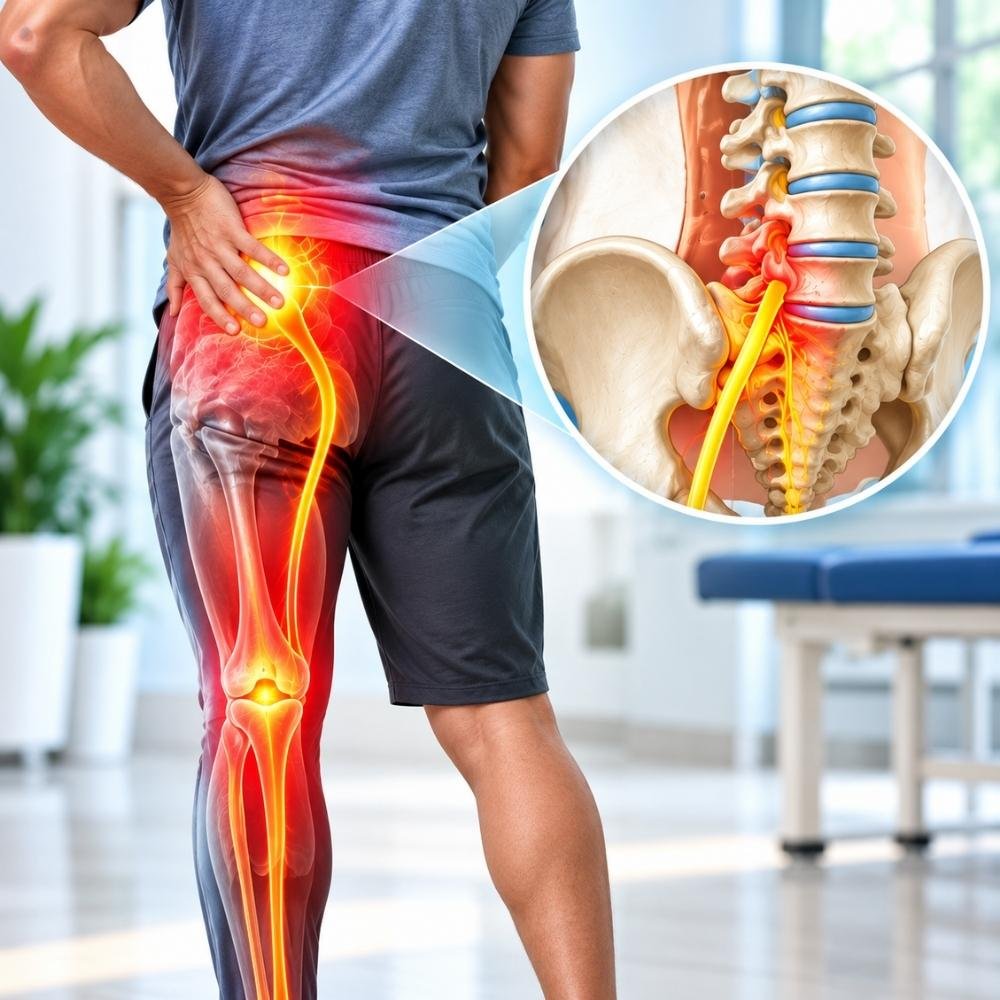
Sciatic nerve pain, commonly called sciatica, refers to pain that travels along the pathway of the sciatic nerve or related nerve roots. The sciatic nerve is the largest nerve in the human body and extends from the lower spinal region through the buttocks and down each leg.
Sciatica commonly develops when a nerve root in the lower spine becomes irritated or compressed. This can occur due to a herniated disc, degenerative spinal changes, or narrowing of the spaces around spinal nerves.
Unlike ordinary muscular back pain, sciatica frequently causes pain that radiates into the buttock, thigh, calf, or foot.
Symptoms can range from mild discomfort to severe pain that restricts movement. Although many cases improve with time and appropriate conservative care, persistent or progressive symptoms require medical evaluation. Sciatic Nerve Pain Relief in Ambernath Sciatic Nerve Pain Relief in Ambernath Sciatic Nerve Pain Relief in Ambernath Sciatic Nerve Pain Relief in Ambernath Sciatic Nerve Pain Relief in Ambernath Sciatic Nerve Pain Relief in Ambernath Sciatic Nerve Pain Relief in Ambernath Sciatic Nerve Pain Relief in Ambernath Sciatic Nerve Pain Relief in Ambernath
Common Symptoms of Sciatic Nerve Pain
Recognizing the symptoms of sciatica can help patients seek appropriate care.
1. Lower Back Pain Radiating Into the Leg
One of the most recognizable symptoms of sciatica is pain that begins in the lower back or buttock and extends down one leg. The pain may feel sharp, burning, shooting, or electric-like.
2. Tingling or Pins-and-Needles Sensation
Some patients experience tingling sensations in the affected leg or foot. These symptoms may indicate irritation of the nerves supplying the lower limbs.
3. Numbness in the Leg or Foot
Sciatic nerve-related conditions can sometimes cause reduced sensation in specific areas of the leg or foot. Persistent numbness should be evaluated by a healthcare professional.
4. Pain During Prolonged Sitting
Sitting for extended periods may increase symptoms in some patients, particularly when certain spinal positions aggravate nerve irritation.
5. Muscle Weakness
More significant nerve involvement may cause weakness in the leg or foot. New or worsening weakness requires prompt medical assessment.
6. Difficulty Performing Daily Activities
Severe symptoms may interfere with walking, bending, driving, sleeping, or completing routine household and professional responsibilities.
Important: New bladder or bowel dysfunction, numbness around the groin, or severe or progressive leg weakness can indicate a medical emergency and requires immediate hospital evaluation.
What Causes Sciatic Nerve Pain?
Sciatic nerve pain may develop due to several conditions affecting the lower spine or surrounding structures.
Herniated or Slipped Disc
A herniated disc occurs when part of the soft material inside a spinal disc pushes outward through its outer layer. If this material irritates or compresses a nearby nerve root, it can cause radiating leg pain.
Lumbar Spinal Stenosis
Spinal stenosis refers to narrowing of spaces within the spine. When the narrowing affects nerve structures, patients may experience pain, tingling, or weakness, sometimes worsening during standing or walking.
Degenerative Spinal Changes
Age-related changes in spinal discs and joints may contribute to nerve irritation or compression. However, degenerative findings on imaging do not always cause symptoms.
Spondylolisthesis
Spondylolisthesis occurs when one vertebra slips relative to another. In some cases, this may narrow the space available for spinal nerves.
Deep Gluteal Nerve Entrapment
Less commonly, the sciatic nerve may become irritated or compressed in the deep buttock region, causing symptoms that resemble sciatica arising from the lower spine.
Injury or Trauma
Certain injuries involving the lower back, pelvis, or surrounding structures may contribute to nerve-related pain.
Identifying the actual cause is important because different conditions require different management approaches.
How Is Sciatic Nerve Pain Diagnosed?
A proper diagnosis is essential before beginning treatment. Not every case of leg pain is caused by sciatica, and similar symptoms may arise from hip problems, peripheral nerve conditions, or other medical issues.
Medical History and Symptom Evaluation
The assessment begins with understanding the location, intensity, and duration of pain. The healthcare professional may ask whether symptoms worsen while sitting, walking, coughing, or bending and whether the patient experiences numbness or weakness.
Physical and Neurological Examination
An examination may include evaluating spinal movement, muscle strength, sensation, reflexes, and walking ability. Specific clinical tests, such as the straight leg raise test, may help assess nerve-related symptoms.
MRI and Other Investigations
An MRI may be recommended when symptoms are severe or persistent, significant neurological findings are present, or imaging is likely to influence treatment decisions.
Routine imaging is not necessary for every patient experiencing uncomplicated sciatica.
Non-Surgical Sciatic Nerve Pain Relief in Ambernath
Many people experiencing sciatica improve with appropriate conservative management. Treatment should focus on reducing symptoms, maintaining mobility, and supporting recovery while addressing the underlying cause.
1. Personalized Pain Assessment
Effective management begins with identifying factors contributing to the patient’s symptoms. An assessment may examine spinal mobility, daily activities, pain patterns, neurological findings, and movement limitations.
A personalized approach helps determine whether conservative care is appropriate or whether the patient needs further medical investigation.
2. Therapeutic Exercise and Rehabilitation
Exercise-based rehabilitation is an important component of conservative sciatica management. Depending on symptoms, a qualified professional may recommend gentle mobility exercises, progressive strengthening, and activities that help patients return to normal movement.
Exercises should be selected according to the patient’s condition rather than following a standard routine. Movements that significantly worsen radiating pain or neurological symptoms should be reassessed.
3. Chiropractic and Manual Therapy
For selected patients, manual therapy may be considered as part of a broader treatment plan that includes exercise and self-management advice.
Techniques may involve gentle joint mobilisation or soft-tissue treatment, depending on the patient’s condition and clinical assessment.
Manual therapy is not appropriate for every case of sciatica, particularly when there is significant nerve compression, progressive neurological weakness, or other concerning findings. It should not be presented as a guaranteed method of correcting a herniated disc or relieving nerve compression.
4. Posture and Ergonomic Guidance
Long periods of sitting, uncomfortable working positions, and repetitive movements may aggravate sciatic nerve symptoms in some patients.
Simple adjustments such as changing sitting positions regularly, improving workstation setup, and taking short movement breaks may help reduce discomfort.
The goal is not to maintain one perfect posture throughout the day but to encourage comfortable, varied movement.
5. Activity Modification
During painful episodes, patients may need to temporarily modify activities that increase symptoms.
However, prolonged bed rest is generally discouraged. Maintaining tolerable daily activities and gradually increasing movement can support recovery.
6. Medical Pain Management
Depending on symptom severity and medical history, a doctor may consider appropriate medication or other treatments.
Medication decisions should account for potential side effects and individual health conditions. Patients should avoid self-medicating with prescription pain medicines.
7. Follow-Up and Recovery Monitoring
Sciatic nerve pain may improve gradually, and treatment plans sometimes need adjustment.
Follow-up assessment can help monitor pain, mobility, muscle strength, and functional progress. Persistent symptoms or worsening neurological findings may require referral for specialist evaluation.
Benefits of Early Sciatic Nerve Pain Management
Seeking appropriate assessment when symptoms persist can help patients understand their condition and avoid unsuitable treatment approaches.
Potential benefits of individualized management include improved mobility, reduced pain-related activity limitations, greater confidence during movement, and better management of everyday activities.
Early evaluation is especially important when pain is accompanied by numbness, weakness, or changes in walking ability.
Sciatic Nerve Pain vs Normal Lower Back Pain
Sciatic Nerve Pain | Common Non-Specific Lower Back Pain |
|---|---|
Often radiates into one leg | Usually concentrated in the lower back |
May cause tingling or numbness | Neurological symptoms are less typical |
Can involve nerve root irritation | Often involves multiple musculoskeletal factors |
May produce shooting or electric-like pain | Often described as aching or stiffness |
May require neurological examination | Assessment focuses on symptoms and physical findings |
Both conditions can occur together, so a professional assessment is important.
Lifestyle Tips to Manage Sciatic Nerve Pain
Stay Physically Active
Gentle walking and tolerable daily movement may help maintain mobility. Avoid remaining in bed for extended periods unless specifically instructed by a healthcare professional.
Avoid Prolonged Sitting
If sitting increases symptoms, change positions regularly and take short standing or walking breaks.
Use Safe Lifting Techniques
When lifting objects, keep loads manageable, avoid sudden twisting under heavy loads, and use movement techniques appropriate for your physical abilities.
Follow Recommended Exercises
Perform exercises recommended by a qualified healthcare professional. Avoid copying aggressive stretching routines without knowing whether they are suitable for your symptoms.
Maintain Healthy Daily Habits
Regular physical activity, sufficient sleep, and a balanced lifestyle can support general musculoskeletal health.
When Should You Seek Professional Help?
Consider a clinical assessment if:
Leg pain continues despite initial self-care.
Pain repeatedly interferes with work or sleep.
Tingling or numbness persists.
Walking or standing becomes increasingly difficult.
Symptoms recur frequently.
You develop new weakness in the affected leg.
Seek emergency medical attention for new bladder or bowel control problems, numbness in the saddle area, or severe or rapidly progressing weakness.
Why Choose Dr. Hitesh Kamble for Sciatic Nerve Pain Relief in Ambernath?
Persistent sciatic nerve pain can interfere with everyday activities, especially when discomfort increases during sitting, walking, or physical work.
At Dr. Hitesh Kamble’s clinic in Ambernath, the published approach to chiropractic care emphasizes individual assessment, spinal and joint mobility, movement evaluation, and non-surgical treatment options where clinically appropriate.
Patients can discuss their symptoms, physical limitations, and previous treatment history to determine whether conservative musculoskeletal care is suitable or whether further medical evaluation is needed.
For more information about related musculoskeletal treatment approaches, explore Chiropractic Care in Ambernath
Frequently Asked Questions About Sciatic Nerve Pain
1. What is the fastest way to relieve sciatic nerve pain?
There is no single treatment that provides immediate relief for everyone. Appropriate activity, individualized exercises, and medical treatment when indicated may help manage symptoms.
2. Can sciatica improve without surgery?
Yes. Many cases improve without surgery. However, severe neurological symptoms or persistent disabling pain may require specialist assessment.
3. Can chiropractic care help sciatic nerve pain?
Selected manual therapy techniques may be considered as part of a treatment program that includes exercise. Suitability depends on the underlying cause and neurological findings.
4. Is walking good for sciatic nerve pain?
Gentle walking is often helpful when tolerated. Patients should adjust activity according to symptoms and professional advice.
Book a Consultation for Sciatic Nerve Pain Relief in Ambernath
If radiating lower back pain, leg discomfort, or movement limitations are affecting your routine, consider scheduling a professional assessment.
Adiyogi Multispeciality, Shop No. 5, Harishree Residency, Sarvoday Nagar, Jambul Phata, Ambernath West, Maharashtra.
Website: https://drhiteshkamble.com/
Discuss your symptoms and available non-surgical management options to understand the most appropriate next steps.
Conclusion
Sciatic nerve pain can affect mobility, comfort, and everyday activities. Although many cases improve with conservative care, successful management depends on understanding the underlying cause and identifying suitable treatment options.
Exercise-based rehabilitation, appropriate activity modification, and selected manual therapy approaches may help some patients manage symptoms and improve function.
If you are searching for Sciatic Nerve Pain Relief in Ambernath, a professional assessment can help determine whether non-surgical musculoskeletal care is suitable for your condition.
