
Chiropractic Treatment in Ambernath
Chiropractic Treatment in Ambernath focuses on the relationship between the structure of the spine and the function of the nervous system. Dr. Hitesh Kamble provides personalized chiropractic care designed to support mobility, posture, and overall wellness through a gentle and non-invasive approach.
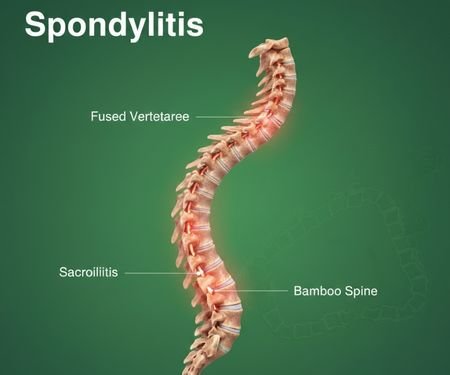
Spondylitis is a chronic inflammatory condition that primarily affects the spine, causing pain, stiffness, reduced mobility, and discomfort that can interfere with daily life.
Understanding Spondylitis: Spondylitis refers to a group of inflammatory spinal conditions, including ankylosing spondylitis, that can lead to spinal stiffness, postural changes, and long-term joint restriction. Symptoms often include:
Persistent back and neck pain
Morning stiffness
Reduced spinal flexibility
Fatigue and muscle tightness
Pain that improves with movement but worsens with rest
For personalized care and a detailed approach, learn more about our Chiropractic Care in Ambernath services.
Chiropractic Treatment in Ambernath Chiropractic Treatment in Ambernath Chiropractic Treatment in Ambernath Chiropractic Treatment in Ambernath Chiropractic Treatment in Ambernath Chiropractic Treatment in Ambernath Chiropractic Treatment in Ambernath
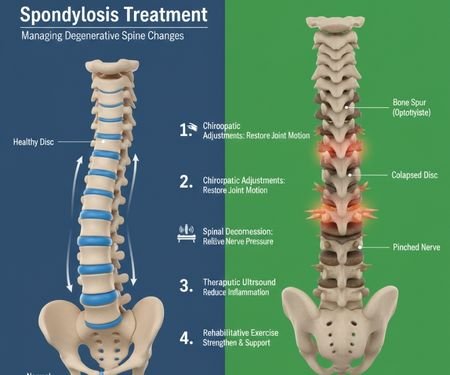
Spondylosis is a common degenerative condition of the spine that develops due to age-related wear and tear. It affects the spinal discs, joints, and vertebrae, often leading to pain, stiffness, and reduced mobility. Although spondylosis is a natural part of aging, proper care and treatment can significantly reduce discomfort and help maintain an active lifestyle.
What Is Spondylosis?
Spondylosis refers to the gradual degeneration of the spine, including:
Disc dehydration and thinning
Formation of bone spurs (osteophytes)
Stiffening of spinal joints and ligaments
It can occur in different regions of the spine:
Cervical spondylosis (neck)
Thoracic spondylosis (upper back)
Lumbar spondylosis (lower back)
For general information about ankylosing spondylitis, you can also refer to the NHS health guidance.
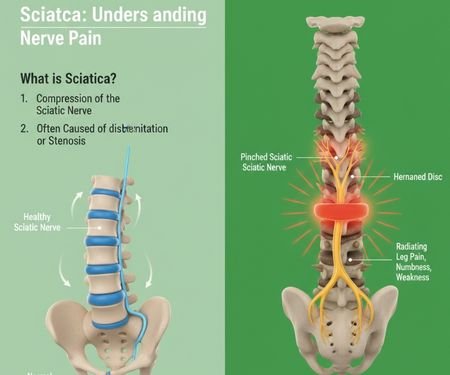
Chiropractic care plays an effective role in relieving Sciatica by addressing the underlying cause of nerve compression rather than only masking symptoms. Since sciatica often originates from spinal misalignment, disc issues, or joint restrictions in the lower back, chiropractic treatment focuses on restoring proper spinal function and reducing pressure on the sciatic nerve.
Common Symptoms:
The hallmark of sciatica is pain that radiates from your lower (lumbar) spine to your buttock and down the back of your leg.
Pain Type: Can range from a mild ache to a sharp, burning sensation or an “electric shock” feeling.
Aggravators: Often feels worse when you cough, sneeze, or sit for long periods.
Sensory Changes: You may feel numbness, tingling (“pins and needles”), or muscle weakness in the affected leg or foot.
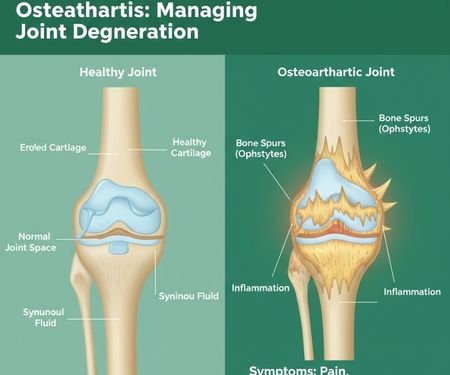
Osteoarthritis (OA) is the most common form of arthritis, often referred to as “wear-and-tear” arthritisUnlike inflammatory arthritis (like spondylitis), OA is a mechanical breakdown. This is why chiropractic care is uniquely suited to help—it focuses on improving the mechanics and alignment of those affected joints.
How Chiropractic Care Helps in Osteoarthritis
Improves joint mobility and flexibility
Reduces pain and stiffness naturally
Enhances joint alignment to reduce stress
Relieves muscle tension around affected joints
Decreases inflammation and improves circulation
Supports stronger muscles with guided exercises
Helps slow joint degeneration
Drug-free and non-invasive treatment option
Improves overall movement and daily function
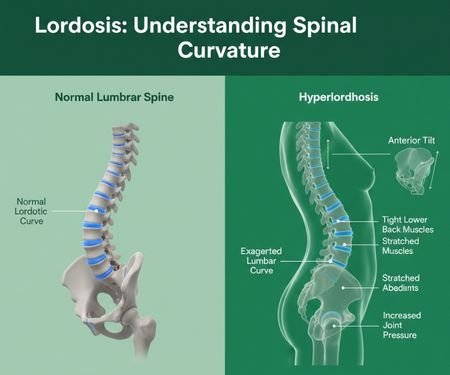
Lordosis is a spinal condition characterized by an excessive inward curve of the spine, most commonly affecting the lower back (lumbar lordosis) or neck (cervical lordosis). When the curve becomes exaggerated, it can place extra stress on the spine and surrounding muscles, leading to pain, stiffness, and postural imbalance. Chiropractic care offers a safe, non-invasive approach to help manage lordosis and improve spinal health.
Understanding Lordosis
A normal spinal curve helps distribute weight and maintain balance. However, excessive curvature may develop due to:
Poor posture
Muscle weakness or imbalance
Prolonged sitting or improper ergonomics
Obesity
Spinal injuries or congenital factors
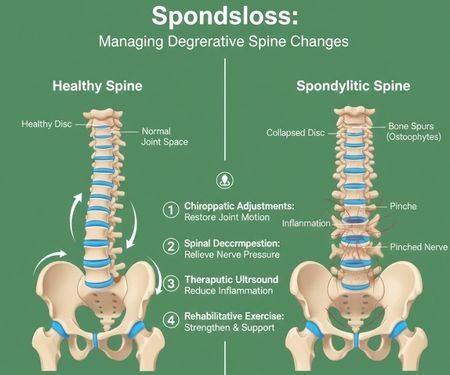
Spondylosis is a degenerative condition—often described as “osteoarthritis of the spine”—that occurs due to natural wear and tear as we age. It involves the dehydration and shrinking of the fluid-filled discs between your vertebrae, which can lead to bone spurs (osteophytes) and narrowed joint spaces.
Chiropractic treatment offers a non-invasive, drug-free approach to managing spondylosis symptoms. While it cannot “reverse” the age-related changes, it is highly effective at improving function and quality of life.
Pain Relief naturally: Adjustments help correct spinal misalignments (subluxations) that contribute to localized pain, offering a longer-lasting alternative to temporary pain medications.
Reduced Nerve Pressure: As discs flatten or bone spurs form, they can press on spinal nerves. Chiropractic techniques help create space and reduce this irritation.
Improved Joint Mobility: Degenerative joints tend to stiffen. Gentle manipulations restore motion to these restricted areas, making daily activities like bending or turning your head easier.
Slowing Degeneration: By ensuring the spine is properly aligned, weight is distributed more evenly across the joints, which can help minimize further “wear and tear.”
